 reviews -





Choosing between a hot and a cold pressure washer for your car comes down to the dirt you remove most often. Routine road grime needs one approach, while oil and grease need another. Paintwork protection, working pressure and flow, and running demands all weigh on the choice as much as water temperature.
What to Look for in a Car Pressure Washer
- Compare working pressure and water flow, not advertised maximum pressure
- Choose hot water when oil and grease are the dirt you meet most often
- Check the power source and water supply
- Factor in accessories: lances, surface cleaners and hoses

Which pressure washer cleans cars better, hot or cold?
A car is mostly soiled by mud, road film and grit, not oil. That changes the comparison: cleaning power on a car depends less on temperature than on matching the machine and chemicals to the contamination in front of you.

Where cold water is enough
A controllable cold water pressure washer, used with a vehicle-suitable detergent, removes the mud, road film and traffic grime of a normally dirty car. Hot water is not needed for a clean result. Hortech Cleaning recommends cold water for routine car washing, and its comparison of hot and cold water pressure washers sets out when heat earns its place.
- Loose dirt and sediment: a cold jet flushes away sand and grit efficiently.
- Winter salt: rinse lower panels and wheel arches thoroughly, as accumulated road salt can contribute to corrosion.
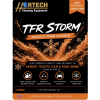
- Snow foam: a foam cannon mixes water and car shampoo, with no heating required.
- Foam lance fit: the lance must suit the gun connection and receive enough flow to foam properly.
Where hot water has an advantage
Heat changes the picture once oil is involved. Hot water softens oily deposits and removes stubborn grease faster, particularly on engine components, machinery and commercial vehicles.
Conversely, a cold machine can still clean oily surfaces with a suitable degreaser. Heat adds an advantage on persistent grease and may reduce the need for aggressive detergents on those jobs, although no universal detergent saving is established for car washing.
Brake dust on wheels follows a different logic. Stubborn deposits respond to a finish-compatible wheel cleaner and gentle agitation, not to more heat or pressure.
What determines the cleaning result?
Four factors share the work: heat loosens oily contamination, pressure dislodges dirt, water flow carries it away, and detergent breaks down what water alone leaves behind. Adherent road film may survive foam, so apply a suitable pre-wash, remove loose grit, then contact-wash gently where needed.
The same logic applies to professional cleaning tasks. A valeter handling mainly normally dirty cars may choose cold water and suitable chemicals, whereas recurring greasy work makes a heated machine more relevant.
Is hot water safe for car paintwork?
Hot water does not automatically make pressure washing safer. Paint damage comes from the way the jet meets the finish, so technique matters more than temperature.

Protecting paint from heat and jets
Temperature shock is the first risk: avoid a large temperature difference when the vehicle is extremely cold or has heated up in direct sunlight. Washing in shade helps. As soon as you pick up the lance, the jet itself becomes the main concern at any car jet wash, at home or on a professional bay.
- A broad fan nozzle: preferable to a concentrated pencil or rotary jet on paintwork.
- At least 30 cm away: STIHL UK advises this minimum, starting at low pressure and raising it only when necessary.
- Damaged areas: keep the jet off stone chips, flaking paint, rust, damaged seals and delicate trim.
In practice, 30 cm is a minimum rather than a target. A vulnerable or repaired finish may need considerably more distance.
How much water pressure is safe?
No single water pressure figure guarantees safety: spray pattern, distance, time on one spot and the finish's condition all affect the risk. Take particular care around tyre sidewalls, valves, wheel weights, damaged wheel lacquer, sensors and window surrounds. Keep a high pressure jet away from under-bonnet electrics and other vulnerable components.
A careful washing sequence
Before starting, inspect the paint, trim and seals, check the washer and hose, and identify where chemical-laden wash water will drain. Rinse loose grit off first with a fan spray. Apply a vehicle-suitable pre-wash at its specified dilution and dwell time without letting it dry, then rinse it away.
Once the loose dirt is gone, use a clean mitt and car shampoo wherever contact washing is needed. Clean wheels with separate tools, then rinse from the roof downwards without lingering on joints or damaged paint. Clear detergent from door, boot and bonnet edges, and dry with a soft material.
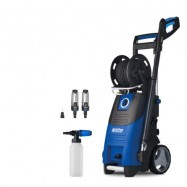
Recommended products
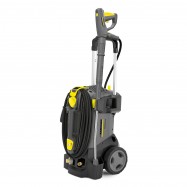

What specifications matter when choosing a car washer?
Headline figures on a pressure washer rarely tell the whole story. Working pressure, water flow and power source together decide how a machine behaves on a car.

Compare working pressure and flow
STIHL UK recommends at least 80 bar for car washing and says working pressure need not exceed 200 bar. It suggests a water throughput of roughly 300–500 litres per hour. A range of roughly 80–130 bar guides comparisons, yet advertised maximum pressure is not working pressure.
The detail that matters here is the flow rate, and whether it is a maximum or a working figure. A higher flow rate rinses snow foam and loosened dirt off faster, provided your water supply supports it.
Choose the power and water supply
An electric pressure washer is a practical choice for cars: more compact, quieter and easier to handle than a petrol model. Petrol pressure comes from an engine driving the pump, not from heating the water. Hot-water machines commonly use a separate fuelled burner, though electrically heated versions exist.
Alongside this, check a cold machine's inlet-temperature limit before connecting warm water. Some domestic models specify a maximum of 40°C, and accepting a warm inlet does not mean the washer heats water.
Compare machines available from Hortech
Hortech Cleaning presents the Kärcher HD 7/12-4 M Plus as a robust, manoeuvrable cold-water machine for everyday work. The lightweight, portable Kärcher HD 6/13 C Plus suits professional work indoors and outdoors; both belong to the professional cold water pressure washer range.
For heated cleaning, the Nilfisk MH 3C-90/670 PAX UK hot water pressure washer covers light daily work, including automotive jobs. As a professional car pressure washer, it delivers 90 bar of pump pressure. Its maximum water flow reaches 670 litres per hour.
| Machine | Water | Positioning |
| Kärcher HD 7/12-4 M Plus | Cold | Robust, manoeuvrable, everyday work |
| Kärcher HD 6/13 C Plus | Cold | Lightweight, indoor and outdoor professional work |
| Nilfisk MH 3C-90/670 PAX UK | Hot | Light daily cleaning, automotive; 90 bar, 670 l/h |
Is hot water worth the extra cost?
Value depends on how often you meet oil and grease. A heated machine brings real gains on greasy commercial cleaning, but carries extra running demands that routine car washing rarely repays.
Costs for occasional car washing
Cold-water machines are generally cheaper to buy and service than comparable hot-water models, whose heating systems add complexity. For one or a few normally dirty cars, the sensible first step is improving your routine rather than buying heat.
- Pre-rinse: remove more loose grit before any chemical goes on.
- Detergent choice: match the product to the contamination.
- Dwell time: let the pre-wash work for its specified time.
- Heated extras: fuel, storage, handling and burn risk all come with hot water.
Value for a valeting business
No universal break-even point or transferable time saving exists for washing private cars with hot water. Assess whether your oily work saves enough labour to justify the machine, comparing labour per vehicle, water and chemicals, heating fuel or electricity, servicing, storage, transport and wash-water arrangements.
A like-for-like trial settles the question. Keep nozzle, distance and washing method constant, then measure time, water and detergent separately for ordinary road film and oily deposits.
Heated machines for greasy work
Once greasy work is recurring, Hortech Cleaning presents the Nilfisk MH 5M-210/1100 FA as a hot water pressure washer suited to stubborn oil and grease in medium-to-heavy work. The compact Kärcher HDS 6/12 C is a diesel pressure washer whose eco-efficiency mode cuts fuel consumption by 20%.
The Nilfisk MH 3C-90/670 PAX UK takes a similar approach with its EcoPower boiler and Eco mode. Hortech Cleaning states that boiler efficiency exceeds 92%, reducing fuel costs.
Hot or Cold: Find the Right Machine for Your Cars
Browse Karcher and Nilfisk hot and cold water pressure washers online. Buy, hire or lease, with UK delivery or click and collect from Holbeach.
Frequently Asked Questions
Yes, when used carefully. Too much pressure, the wrong nozzle or spraying too close can damage paintwork, trim, seals, badges and vulnerable components. Hot water does not make the wash safer by itself: pressure, flow, detergent, nozzle and technique all shape the result.
Choose a detergent made for vehicle finishes, as general-purpose products may damage paintwork. Household detergents and aggressive industrial degreasers may not be safe for paint, waxes, sealants or ceramic coatings. Automotive pre-wash, car shampoo, wheel cleaner and a suitable degreaser each tackle different contamination.
Heat can make washed surfaces dry more quickly. A soft drying material is still needed to finish the job after the final rinse.